Pediatric Services
Pediatric speech therapy helps children and teens build the communication skills they need for daily life, including speaking, understanding language, social interaction, and overall speech and language development. At Lear Communication, our therapists provide evidence-based speech and language therapy services tailored to each child’s communication needs.
Our therapists work with children from preschool to teens who are dealing with speech delays, articulation issues, stuttering, or conditions such as autism and apraxia, and parents often seek an initial assessment when children are not meeting speech milestones. Pediatric speech therapy can also address feeding disorders alongside communication challenges. Using engaging, age-appropriate techniques, early intervention may support speech development during periods of rapid brain development, while individualized treatment plans are shaped through collaboration with families and reinforced by parents between sessions, when appropriate.
Speech Sound Disorders
Articulation, Motor Speech, and Phonological challenges can affect speech clarity, but with proper support, children can develop more accurate sound production.
- Substituting one sound for another (e.g., saying “wabbit” instead of “rabbit”)
- Omitting sounds in words (e.g., saying “tar” instead of “star”)
- Distorting sounds (e.g., pronouncing “ship” as “sip”)

Autism Services
At Lear we provide Neurodiversity Affirming services for Autistic clients of all ages, in all areas of communication development. This means our autism services are:
- Individualized
- Strengths-based
- Meaningful, relevant, and intrinsically motivated
- … & more

Stuttering/Cluttering
Early identification and intervention are important steps in helping children in supporting speech fluency and building communication confidence. In our approach, we work collaboratively with caregivers and educators in lowering communication demands and modeling fluency-enhancing strategies.

Language Disorders and Learning Disabilities
Helping students develop both core and compensatory language skills can equip children with language delays or language difficulties with tools to support greater independence and language development. This may include:
- Speaking
- Writing
- Understanding
- Reading
Preshool Speech and Language
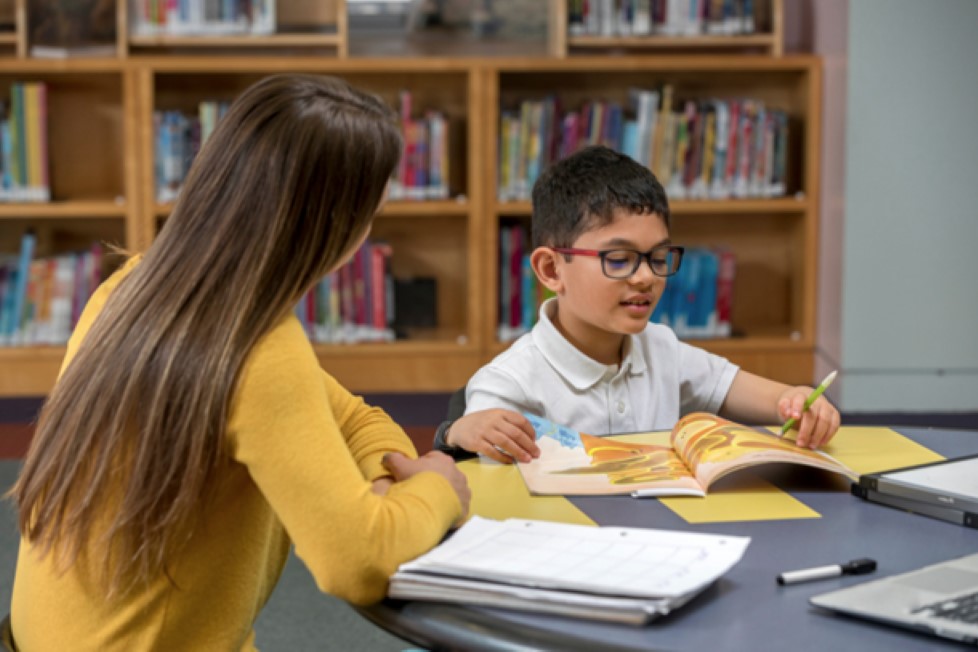
Our experienced speech-language pathologists are trained to assess and support your child’s communication skills and speech and language development.
Parents often seek support for speech delay when a child’s ability to communicate is not developing as expected.
- Verbal Expression (vocabulary and early grammar development)
- Language Comprehension
- Speech Sound Production

Literacy Services
Our literacy intervention programs use a multi-linguistic approach, combining fun, educational games with engaging learning strategies.
- Individual Therapy
- Small Group Sessions

Voice Therapy
Voice disorders in children refer to changes in vocal quality, pitch, loudness, or effort that are not typical for a child’s age and that impact communication or daily participation. These changes may be related to vocal behaviours, medical factors, or conditions such as vocal nodules, vocal polyps, or muscle tension dysphonia.
Children may develop voice difficulties due to frequent yelling, throat clearing, illness, or increased vocal demands at school, sports, or social activities.

AAC Services
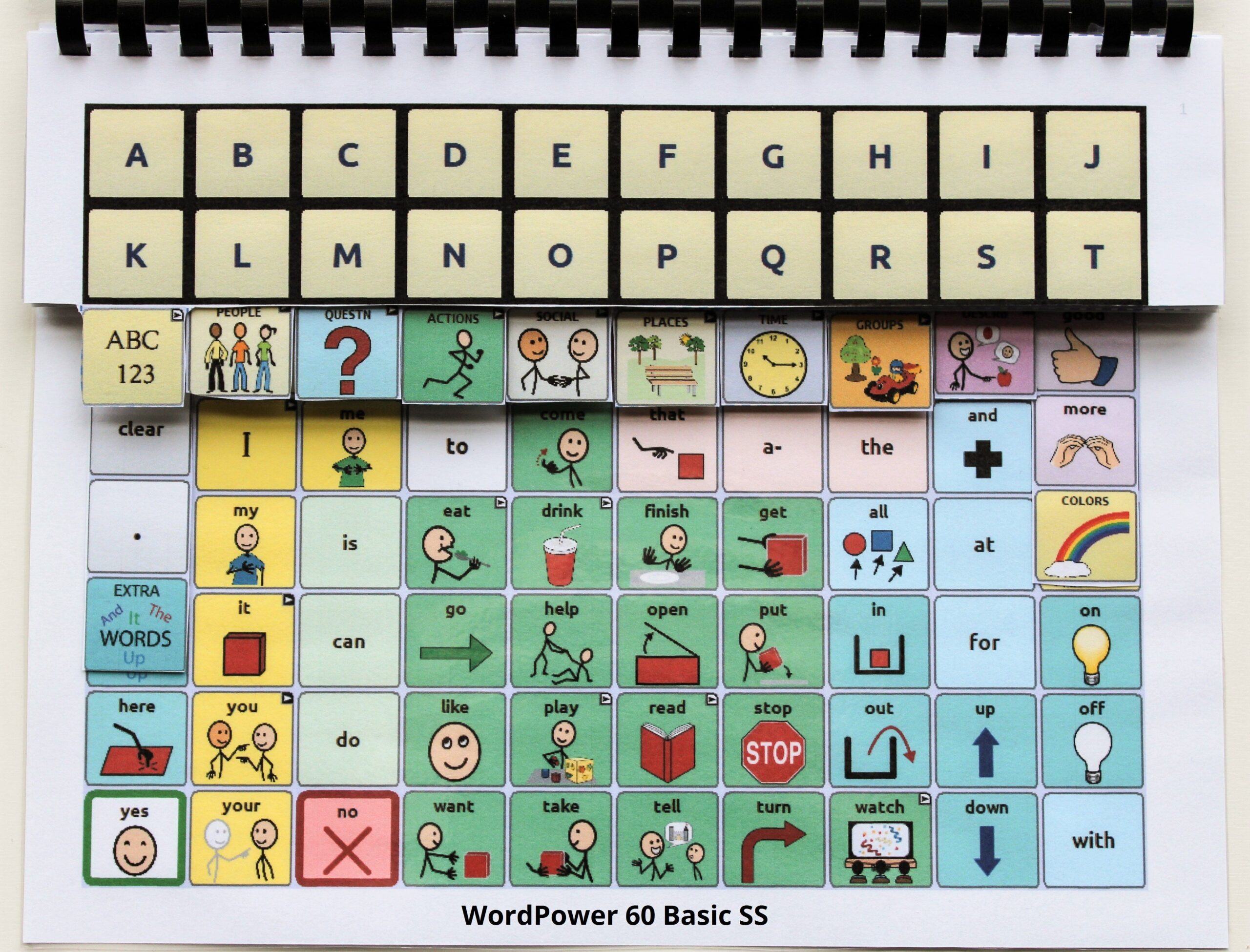
Augmentative & Alternative Communication (AAC) is any form of communication other than speech, that may be used to assist, add on to (augment), or be used as an alternative to speech to ensure communication success. AAC tools can also be used to support clarifying messages, repairing communication breakdowns, and act as clearer auditory and written models of intended speech to support expansion of speech and literacy skills.
Pediatric Feeding & Swallowing
Feeding is a complex skill that develops over time. It requires coordination of oral motor skills, swallowing, sensory processing, nutrition, medical health, and positive mealtime experiences. When challenges occur in one or more of these areas, a child may benefit from a comprehensive feeding assessment.
A speech-language pathologist (SLP) evaluates the skills needed for safe and efficient eating and drinking. This may include assessing oral motor function, chewing and swallowing skills, a child’s communication during mealtimes, and identifying signs of swallowing difficulty. When appropriate, the SLP may recommend an instrumental swallowing assessment or additional medical investigations to better understand your child’s feeding needs.

We’re here to help! Contact us for more information or to schedule an assessment and treatment.