Language Disorders & Learning Disabilities
Language therapy involves assessment and treatment that helps children and adolescents improve how they understand language, express ideas, and communicate through speech, writing, social interaction, and Augmentative and Alternative Communication (AAC). It can address language delay, developmental language disorder, and other communication disorders that affect learning, everyday conversation, and daily life. In children, these challenges often appear at home and in the classroom; in teens, they may affect academic performance, work, or relationships.
A language disorder affects how a person understands and/or uses language. Developmental Language Disorder (DLD) is a neurodevelopmental language disorder that affects learning and communication and is not better explained by another known condition. Language therapy provided by a registered Speech-Language Pathologist targets specific skills such as following directions, understanding words, organizing thoughts, building sentences, using complex sentences, and communicating effectively in different settings.
Receptive Language (understanding information)
- Spoken language (e.g. following directions, understanding words, conversation)
- Written language (e.g. reading comprehension)
- Visual or signed language (e.g. gestures, signs, symbols)
Expressive Language (communicating ideas, wants and needs)
- Spoken language (e.g. words, sentences, storytelling)
- Written expression (e.g. words, sentence structure, organizing ideas)
- Augmentative or alternative communication (AAC, signs, symbols)
- Using and understanding language in social situations
A learning disability is a neurological condition that affects the brain’s ability to receive, process, store, and respond to information. This can affect the development of academic areas such as:
- Reading (e.g., dyslexia)
- Writing (e.g., dysgraphia)
Children with learning disabilities typically have average or above average intelligence but experience unexpected challenges in specific academic skills.
Our Services for Language-Based Learning Difficulties
We provide assessment and intervention for children with language-based learning challenges across all stages of development, including:
- Early intervention (toddlers & preschoolers)
- School-aged children
- Adolescents (high school students)
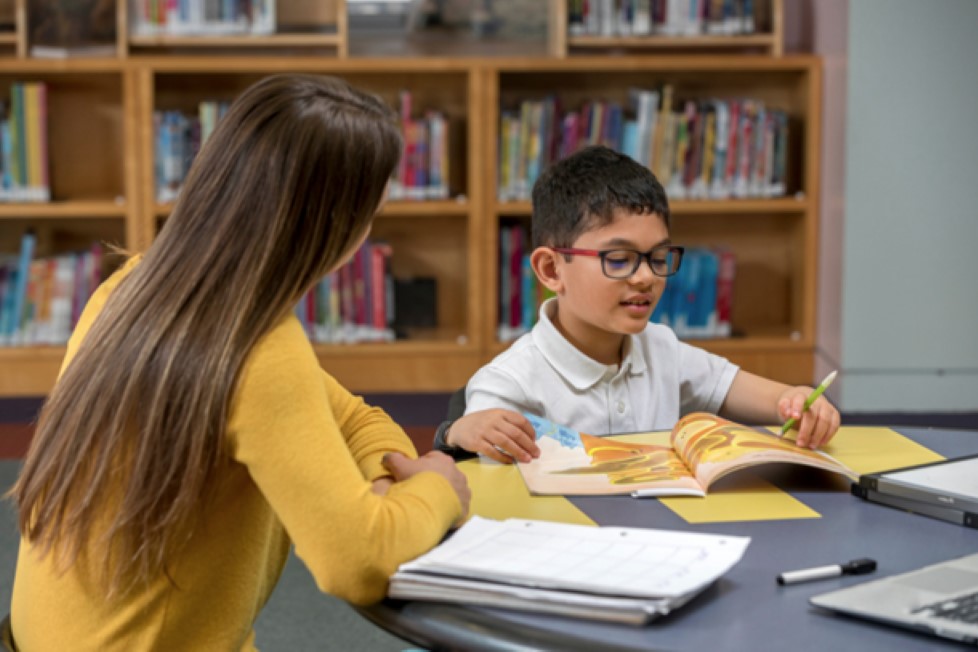
Speech-language pathologists (SLPs) have training and experience in how language and cognition interact. They help students develop both core and compensatory language skills, equipping them with the tools they need to succeed independently—reducing their long-term reliance on tutors.
Signs of Language-Based Learning Difficulties
Your child may be facing language-related challenges if they struggle with:
| SPEAKING | WRITING | |
| Thinking of the right word | Using grammar words properly | |
| Using grammar words properly | Forming full sentences | |
| Forming full, logical sentences | Linking ideas in paragraphs | |
| Telling stories in a logical order | Spelling | |
| UNDERSTANDING | READING | |
| Understanding grammar | Decoding words | |
| Comprehending information quickly | Making sense of sentences/paragraphs | |
| Understanding sarcasm, jokes, etc. | “Reading between the lines” | |
| Following conversations and directions | Reading quickly |

Late-Talkers
A late talker is generally a young child who uses fewer spoken words or word combinations than expected for their age, often with otherwise typical development.
Some children catch up over time, while others may later be identified with a language delay, Developmental Language Disorder, speech sound disorder, or another communication need.
Possible signs that an assessment may be helpful include:
- Limited spoken vocabulary
- Difficulty combining words
- Difficulty understanding simple instructions
- Limited use of gestures
- Frustration when communicating
- Difficulty expressing wants, needs, or ideas
- Loss of previously developed communication skills
Families do not need to wait until a particular age to ask for guidance. When concerns arise, a speech-language assessment can help identify the child’s strengths, communication needs, and whether monitoring, parent coaching, or targeted language therapy may be appropriate.
Early intervention may support expressive language, receptive language, vocabulary development, interaction, and communication confidence.

Receptive and Expressive Language
- Receptive Language Therapy: Speech therapists use activities such as picture identification, following directions, and answering questions to strengthen a person’s ability to understand spoken language.
- Expressive Language Therapy: To improve communication skills, therapists work on vocabulary development, sentence formation, and conversation practice, helping individuals express themselves more clearly and effectively
Language Development Milestones
| By Age 5 |
|
| Age 5-7 |
|
| Age 7-9 |
|
| Age 9-12 |
|
| Age 12-18 |
|
We’re here to help! Contact us for more information or to schedule an assessment and treatment.