Social Communication Education & Support
What are Pragmatics?
Social Communication, also referred to as pragmatics, is how we understand and use language in interactions with others. Social Communication involves integrating speech or AAC, non-verbal communication, language, and executive functions into interactions to be successfully understood as intended. Since social communication involves multiple communicators, success requires also being able to understand or interpret your communication partner and solve any communication breakdowns or misunderstandings. Social communication norms vary across gender, culture, age groups, and neurotypes; therefore, an understanding of a variety of norms, styles, and preferences is required to be successful communicating with a variety of people.
Social Communication differences and difficulties my co-occur with:
- Autism
- ADHD
- Down Syndrome
- Social Communication Pragmatic Disorder
- Stroke
- Brain Injury
- Degenerative Conditions i.e. Primary Progressive Aphasia, Dementia, Parkinsons
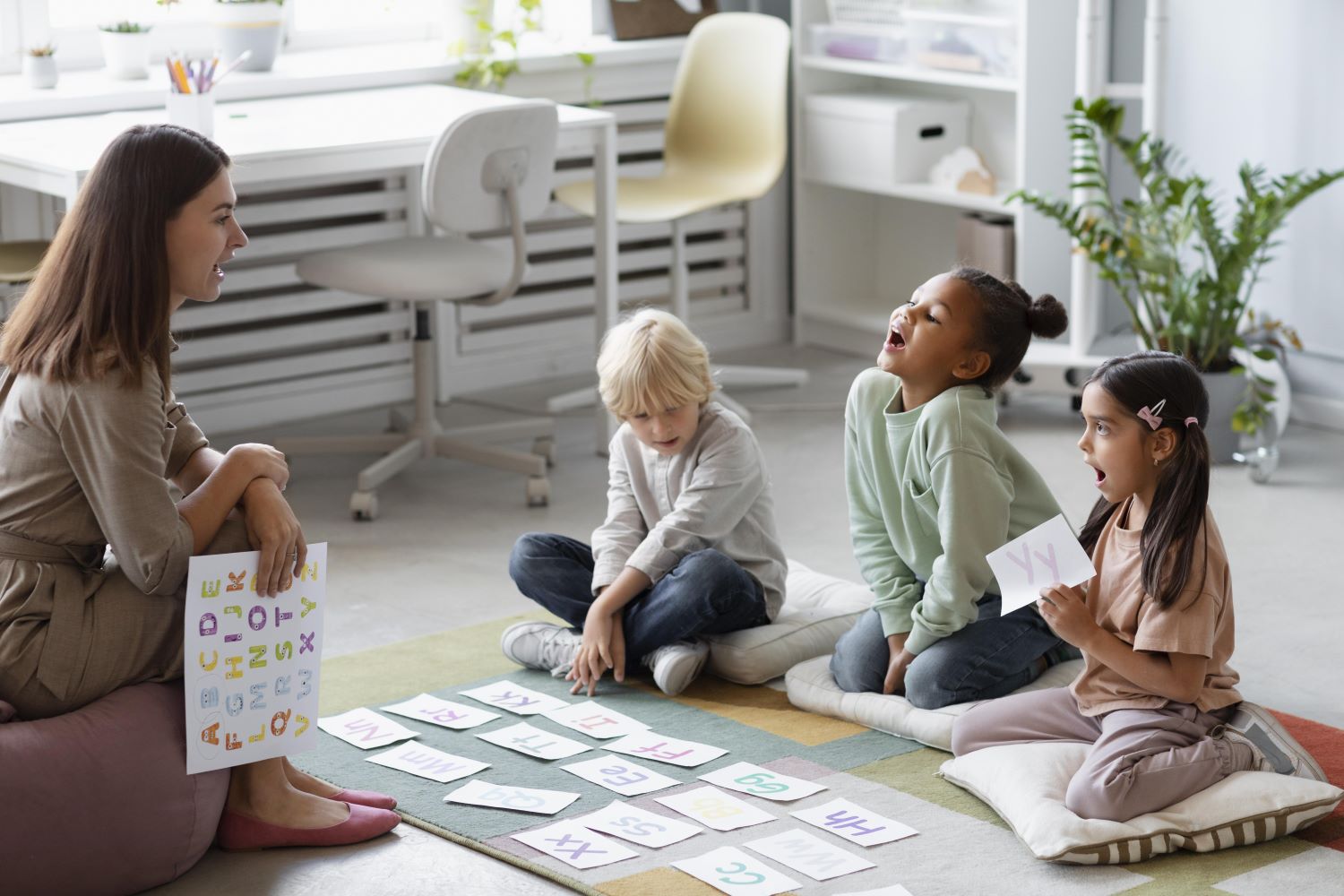
Social communication and pragmatic goals are individualized for each client, depending on concerns and factors impacting communication success as identified both by the client and their primary communication partners and caregivers. Therapy includes both education for clients and caregivers, and opportunities to practice developing new skills.
What To Expect:
Education Topics for Clients and Caregivers may include:
-
Cultural differences and expectations regarding body language, gestures, facial expressions, manners, signifiers of respect
-
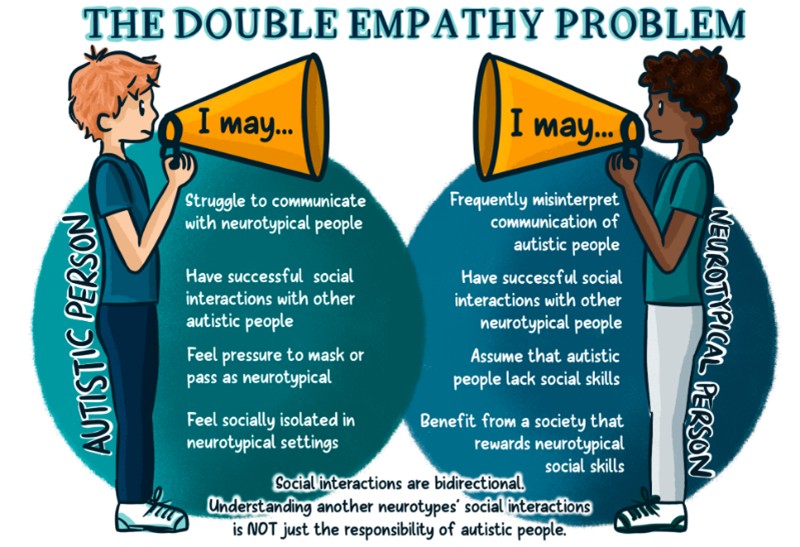
Double Empathy Problem
-
Masking
-
Neurotypical and Neurodivergent Social Communication Styles and Preferences
-
Common interpretations of body language and facial expressions
-
Impact vs Intent
-
Communication Breakdowns and Repair strategies
-
Different ways of demonstrating joint and shared attention
-
Different play styles
Targeted Skills may include:
-
Self-advocacy for communication style preferences
-
Communication repair scripts
-
Inferencing and problem-solving
-
Adjusting language choice for the communication partner or environment
-
Prosody and Facial Expression
-
Understanding and demonstrating different signifiers of joint attention, different play styles
-
Self-reflection and self-assessment of communication interaction success
Social Communication goals may be the sole focus of intervention or may be incorporated into session targeting multiple related goals such as speech, language, or AAC. Therapy may be 1:1, or if appropriate, may take place in dyads or small groups.
We’re here to help! Contact us for more information or to schedule an assessment and treatment.